A golden opportunity to find talent
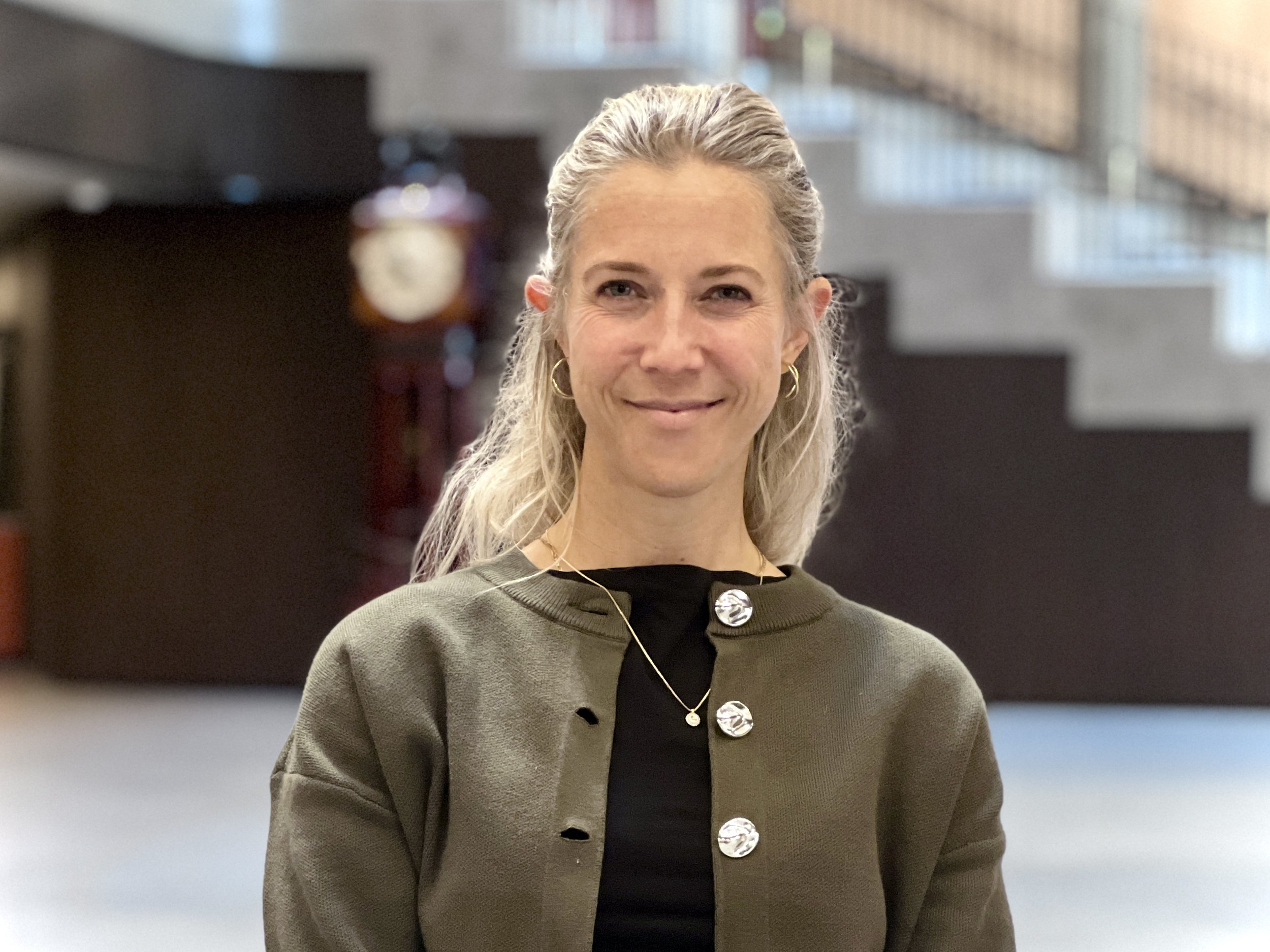
Two ReDI fellows joined Heidi Henriksen’s team at Danske Bank for a 20-week fellowship. Today, both are permanent employees. For Heidi, the lesson is simple: this isn’t about doing someone a favour. It’s about finding highly skilled people.
Heidi Henriksen is Head of Business & Client Intelligence in Asset Management at Danske Bank. Last year, her manager asked her to look into ReDI School and the possibility of bringing a fellow into her team.
At the time, Heidi’s team was implementing a new customer management system, and an extra pair of skilled hands seemed like a good idea. One fellowship position soon became two.
Heidi received 45 applications and interviewed ten candidates.
“I could have hired all ten,” she says.
In the end, she chose two women with very different professional profiles and extensive experience from India.
Finding skills you didn’t know you needed
One had a background in IT and design, which was unfamiliar to Heidi. But during the interview, something clicked.
“I quickly realised: I need this woman in my team. She has knowledge and skills I didn’t even know I needed.”
The fellow brought expertise in user experience and in involving users when developing new digital solutions. The other was a developer with extensive technical experience and had exactly the skills Heidi needed to maintain one of the team’s existing systems.
Both had struggled to get a foothold in the Danish labour market despite their professional backgrounds.
For Heidi, however, the fellowship was never primarily a diversity initiative.
“I don’t do this because I want women from different parts of the world in my team. I do it because I want talented people in my team. That’s it. And that’s what I got.”
A job comes with an unwritten rulebook
Professionally, the fellows were ready. But starting work in a new country can also mean learning a new workplace culture.
Heidi remembers one occasion when a fellow made a mistake – and she only heard about it through somebody else.
“I had to say: It is really important that you come to me. We all make mistakes, including me. But we have to talk about them, so we can make sure they don’t happen again.”
It was a small episode, but it opened a conversation about expectations that are rarely written down: how openly you talk about mistakes, how independently you are expected to work and when you are expected to speak up.
For Heidi, those conversations go both ways. The fellows have adapted to a new workplace, but the team has also gained new perspectives – professionally and personally. Lunch conversations now regularly include Indian traditions, food and celebrations.
“We have learned a lot about India,” Heidi says.
From fellowship to permanent employment
The two women joined Danske Bank for a 20-week fellowship in autumn 2025. One was offered a permanent position at the turn of the year. After two short-term contracts, the other has now also become a permanent member of Heidi’s team.
Heidi says onboarding the fellows was essentially no different from welcoming any other new employee. There was an introduction to the business, the team and the way they work – including the expectation that employees help define solutions rather than simply wait for instructions.
And differences can be an asset.
“You have to be open to the possibility that a task can be solved differently from the way you normally do it. You get employees who may bring a completely different perspective and work in a different way. Being open to this has brought a lot to my team.”
A model that works
Heidi’s experience is not an isolated one at Danske Bank. Since 2021, the bank has welcomed more than 70 women into the ReDI fellowship program. Asset Management has so far hosted five ReDI fellows. Three have moved into permanent positions, while two are currently completing their fellowships.
ReDI also runs the fellowship model in collaboration with the company e-conomic, giving both Danske Bank and e-conomics a way to meet professionally skilled women with migrant and refugee backgrounds – and giving the fellows an opportunity to demonstrate their skills in a Danish workplace.
Would Heidi Henriksen recommend the model to other companies?
“It’s a golden opportunity. I see no reason not to do it. Be open to the fact that people may bring skills you didn’t realise you needed.”
And, she adds, the most important part should not be forgotten:
“The key is still the high level of professional expertise the women bring.”
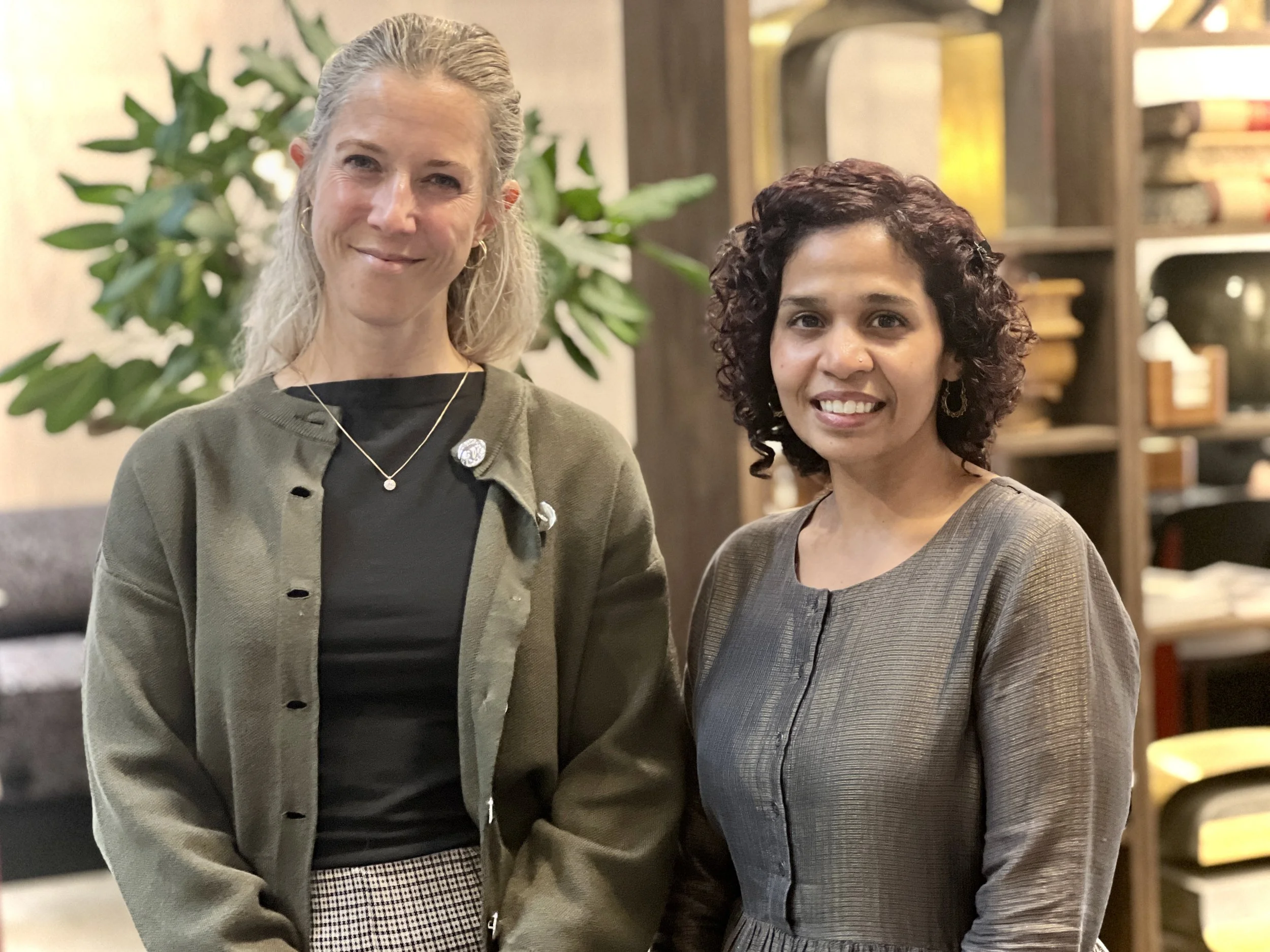
I feel like myself again
Prachi Abhyankar, now Senior Business Analyst at Danske Bank, came to the fellowship after a long and frustrating search for a way into the Danish job market. Around 300 applications had resulted in around 300 rejections. What she needed, she says, was a chance to show what she could do.
“When I started the fellowship at Danske Bank, I was excited, but also nervous. After such a long and difficult job search, I think I was still wondering whether I would really fit into a Danish workplace.”
In Heidi Henriksen’s team, she found that she was not simply expected to adapt and learn. Her own experience and perspective were actively valued.
“Heidi asked me to share my expertise and mentor her in parts of the design process. That was very meaningful to me because I wasn’t just there to learn. I also had something valuable to contribute.”
The fellowship eventually led to a permanent position at Danske Bank. But for Prachi, its impact went much further.
“It gave me the opportunity to rebuild my confidence and realise that my experience and perspective had value in Denmark too.”
ReDI supported her all the way, but it was the opportunity to put her skills into practice that really changed things.
“Today, I feel much more like I am contributing to Danish culture and society, rather than simply trying to find my place in it. And perhaps the biggest change is that I feel like myself again.”
Danske Bank and ReDI School DK Partnership Agreement
Danske Bank offers 18-week internship twice a year, uniquely for ReDI School.
The purpose is to strengthen the digital skills of immigrant women by helping them be better included in Danish society in general and by creating a better, more secure and prosperous future foundation.
The internships are paid following a local agreement with Finansforbundet and on a level that will prepare the learner for an entry level position.
Interns are recruited through ReDI School’s network of graduates.
Danske Bank has welcomed more than 70 women into the ReDI fellowship program. And around 50 percent have transferred into permanent positions.