ReDI’s fall semester is in full swing
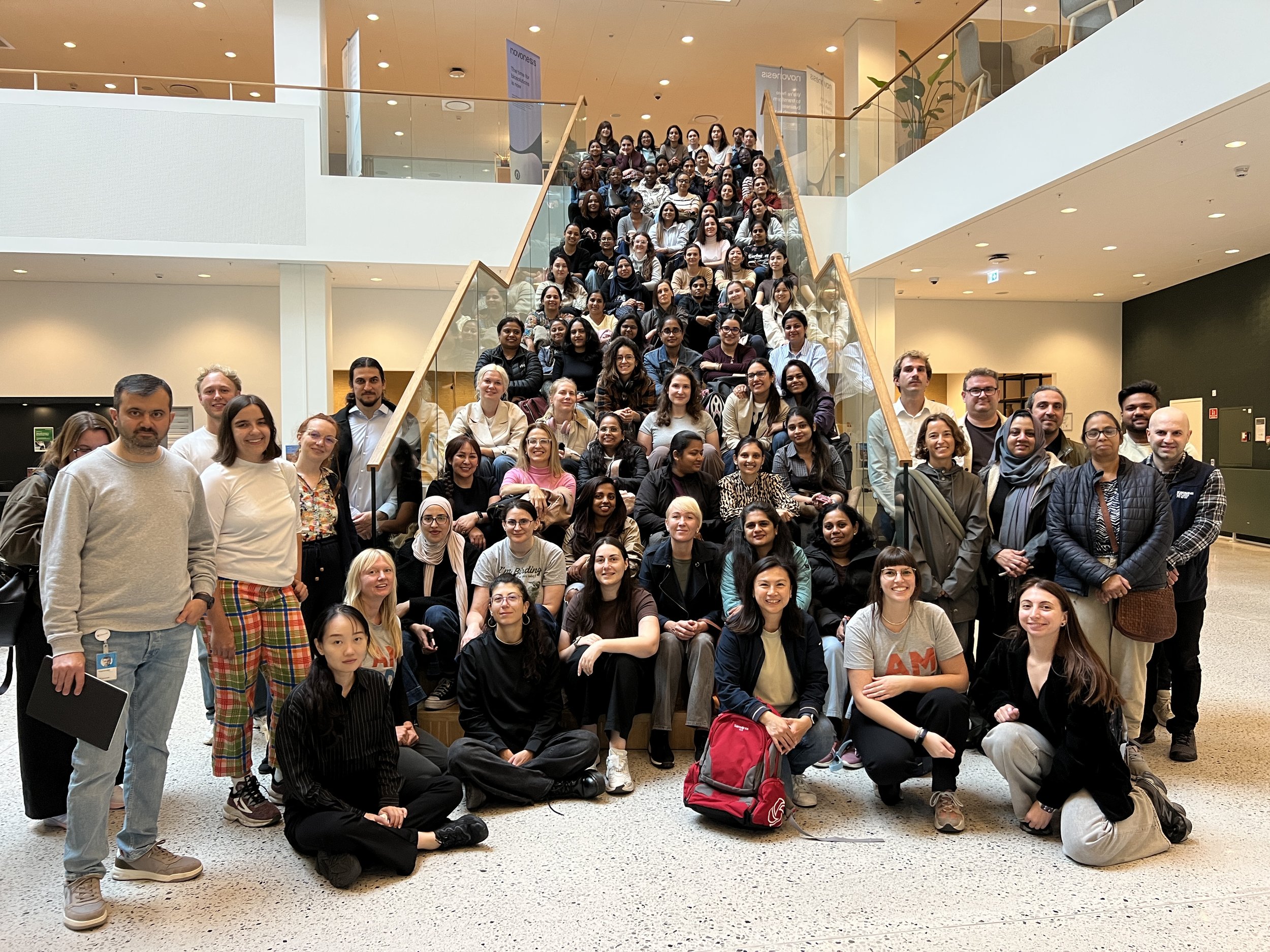
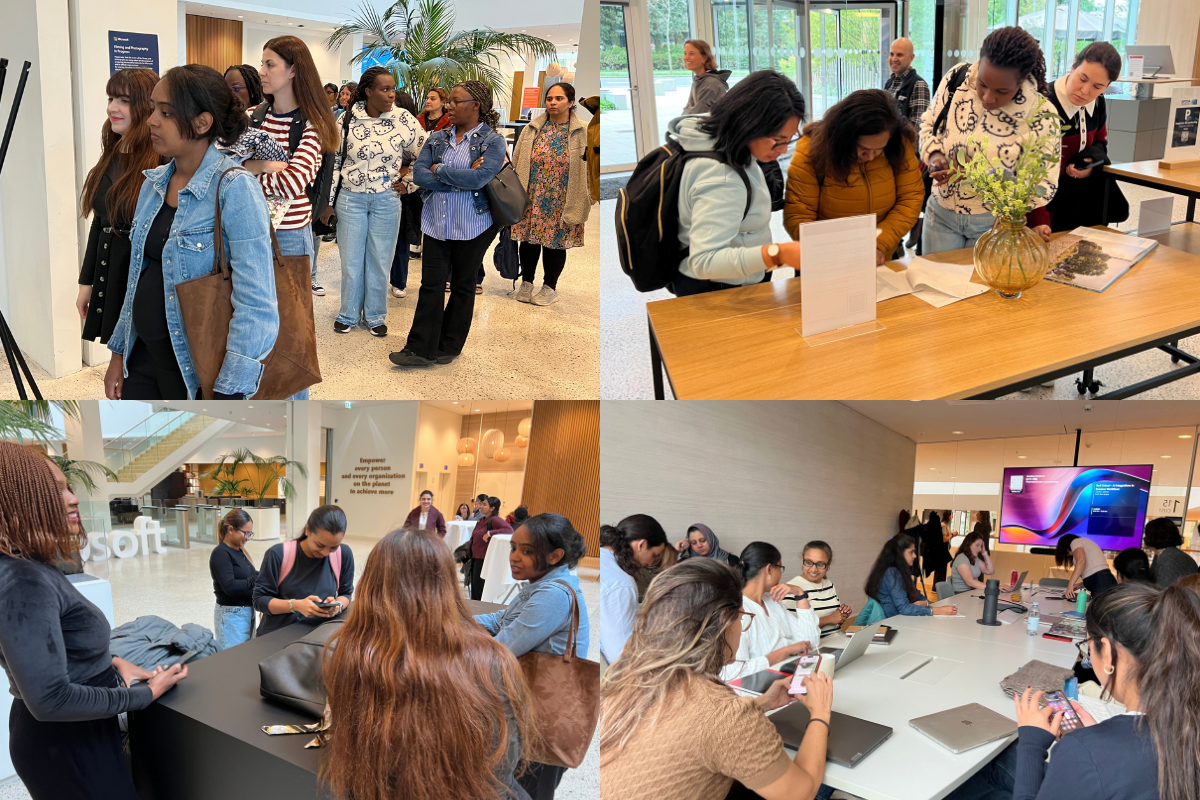
Over two weeks in September, 230 women have started courses at ReDI School in Copenhagen and Aarhus. Microsoft in Lyngby opened its doors to the latest group – turning its offices into classrooms as 70 women from very different backgrounds arrived to build new tech skills.
As Microsoft employees headed home for the day, around 70 ReDI students went the other way. Waiting for them were more than 20 volunteer teachers, some of them Microsoft employees themselves.
The students are divided into five classes covering subjects such as Data Analytics, Web Development and new technologies including Cloud Computing, Cybersecurity and AI integration.
More than tech skills
Most ReDI teachers are volunteers from the business community with professional experience in IT or HR. But their role goes beyond teaching technical skills. They also act as role models and mentors, sharing their own career journeys, helping students develop soft skills and offering advice on navigating the Danish job market.
And sometimes, quite literally, they open the doors to the companies they work for.
One of them is Hammad Raza, who has been preparing for the new semester since mid-August.
“It is always a special moment when you see everyone sitting in the different classrooms and the teaching is finally underway. You know that by the time they finish the course, they will have gained new technical knowledge and skills that they can actually use and demonstrate.”
Opening the doors to the workplace
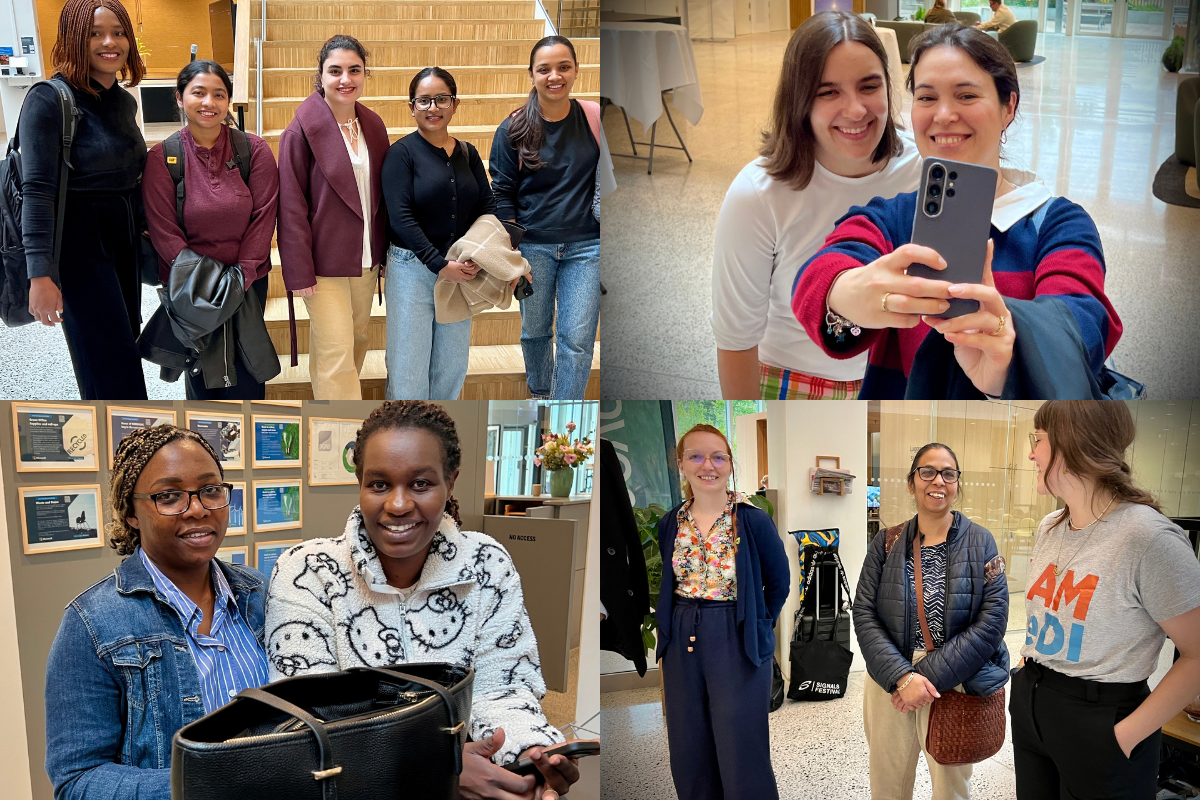
For Lill Hennschen, Program Manager at ReDI, holding the courses at Microsoft has a significance of its own.
“For many of our students, Microsoft represents the kind of company they dream of working for. So simply having the opportunity to come here means something. Everything we do is about shortening the time it takes to land a job that matches your academic qualifications in Denmark.”
The women entering the classrooms already have extensive education and professional experience from their home countries.
“Some of the participants here today are trained as doctors or maybe lawyers. Those qualifications can be very difficult to transfer one-to-one to the Danish labour market. But adding tech skills can open up new opportunities – for example within life science or cybersecurity,” says Lill.
One of the new students is Florencia from Argentina, a lawyer who later trained as a compliance officer and has now started ReDI’s Cybersecurity Fundamentals course.
She describes the transition rather neatly: “The lawyer is learning to think like a hacker.”
After ten years working as a lawyer, Florencia already knows the theory behind protecting people and their data – the rules, risks and responsibilities. What she wants to understand now is what happens inside a system when it is attacked: where the weak spots are and how they can be defended.
Learning goes both ways
The students are not the only ones gaining something from the classroom. For Hammad Raza, volunteering at ReDI has also changed the way he works professionally.
“It has given me new confidence in my day-to-day interactions with customers. I sometimes meet stakeholders who don’t have the same technical knowledge, and I have realised how much
I can draw on my experience with the students. I have become much better at explaining technology to people who aren’t technical.”
For him, that is part of what makes volunteering worthwhile.
“Through these human connections, you also discover and develop yourself as a technology expert.”